Understanding gambling addiction A path to recovery and hope
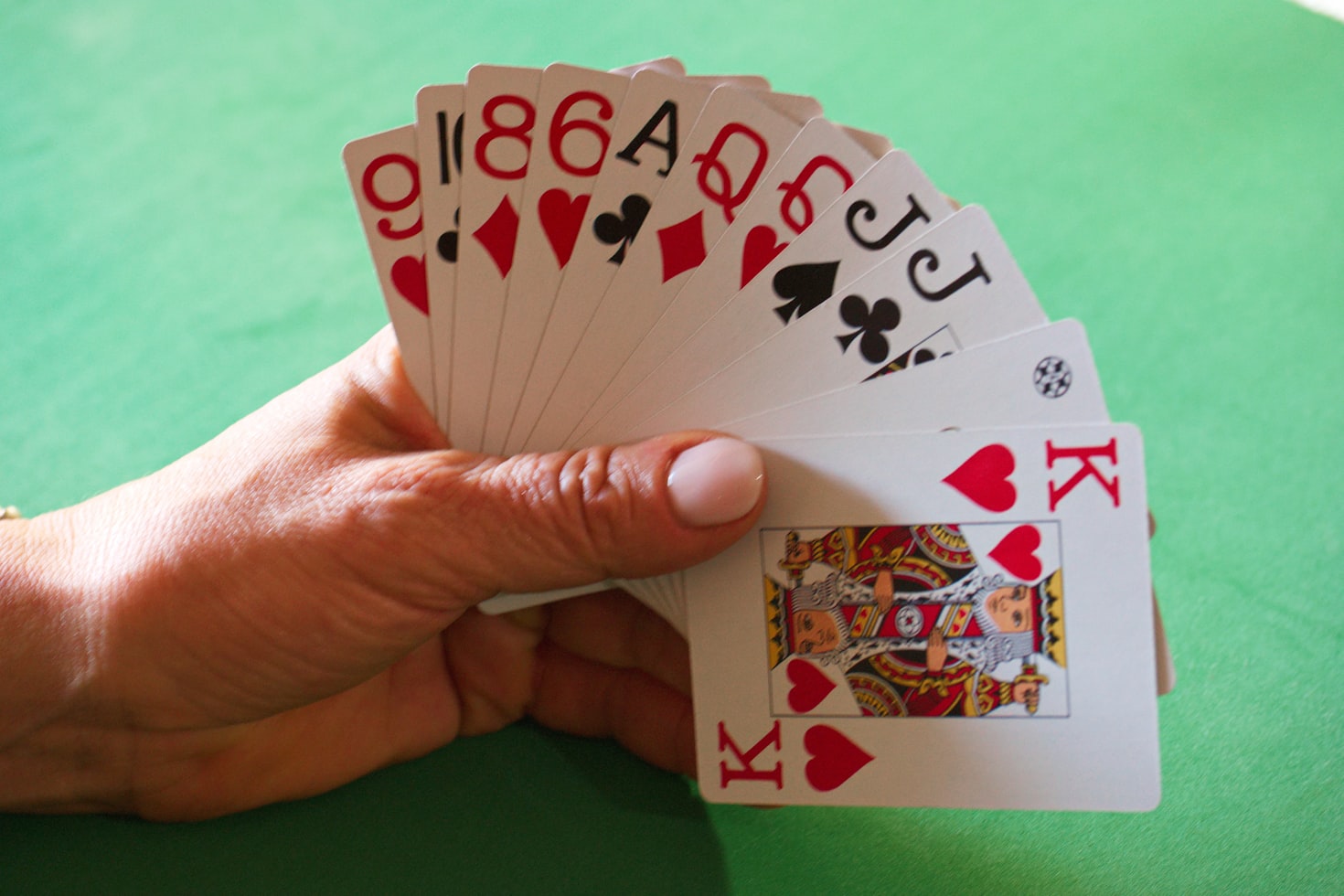
Gambling addiction, also known as compulsive gambling or pathological gambling, is a behavioral disorder characterized by an uncontrollable urge to gamble despite negative consequences. Individuals suffering from this addiction often find themselves engaging in gambling activities at the expense of their personal, professional, and financial well-being. This condition can lead to severe emotional distress and may affect not only the gambler but also their loved ones. In recent years, many have turned to best crypto sports betting sites as an alternative, which can lead to both excitement and challenges for gamblers.
The symptoms of gambling addiction can vary, but they typically include an obsession with gambling, increased tolerance to the thrill of betting, and a growing need to wager larger amounts of money. Many gamblers also experience withdrawal symptoms, such as irritability and anxiety, when they are unable to gamble. Recognizing these symptoms is the first step towards understanding the complexities of this addiction.
The repercussions of gambling addiction extend far beyond individual experiences. Families often bear the brunt of the emotional turmoil caused by a loved one’s gambling habits. Financial hardships can lead to significant strain in relationships, resulting in breakdowns of trust and communication. Many individuals who struggle with this addiction may resort to lying, stealing, or other dishonest behaviors to support their gambling habits.
Moreover, gambling addiction can lead to mental health issues such as depression and anxiety. The cycle of gambling often exacerbates these conditions, creating a vicious loop that is difficult to escape. It’s crucial for those affected to understand that they are not alone and that support is available to help them navigate these challenges.
Recovery from gambling addiction is a challenging but attainable goal. The first step is often acknowledging the problem and seeking help. Many individuals find success through therapy, which can help them explore the underlying issues contributing to their addiction. Cognitive-behavioral therapy (CBT) has proven particularly effective in helping individuals change their thought patterns and behaviors related to gambling.
Support groups, such as Gamblers Anonymous, also play a crucial role in recovery. These groups provide a safe space for individuals to share their experiences and receive encouragement from peers who understand their struggles. Establishing a support network can significantly enhance the recovery process, offering hope and motivation to those on the path to healing.
Preventative measures are essential in combating gambling addiction, especially among vulnerable populations. Awareness campaigns and education about the risks of gambling can empower individuals to make informed choices. Recognizing the signs of problem gambling early can lead to timely intervention and support.
For those at risk, establishing personal limits regarding gambling activities can be a practical strategy. Setting time and financial boundaries can help individuals enjoy gambling as a form of entertainment rather than allowing it to spiral into addiction. Responsible gambling practices are key to preventing the onset of gambling-related issues.

Many resources are available for individuals struggling with gambling addiction, offering both hope and practical solutions for recovery. Various organizations provide educational materials, hotlines, and counseling services designed to help individuals reclaim their lives from gambling. These resources are crucial for facilitating recovery and providing a sense of community and support.
It is essential to remember that recovery is a journey, often filled with ups and downs. However, with the right support and dedication, individuals can overcome their addiction and lead fulfilling lives. Understanding the path to recovery can inspire hope and motivate those affected to seek the help they need.