
Whoa, seriously now.
I spent the last year testing Solana wallets in real trading and NFT drops. My instinct said to distrust browser extensions at first. Initially I thought any new wallet extension was just another flashy UI with weak security, but after repeated hands-on use and a few hairy moments that taught me lessons the hard way, my view changed. Here’s the thing: Phantom stuck out for actual usability.
Hmm… something felt off.
At first the onboarding seemed too slick, almost too smooth for a crypto product. I created wallets, imported seed phrases, and watched transactions flow during a popular mint drop. On one hand I appreciated the neat UI and the fast signing experience that kept me in the moment and prevented rumbling context switches during live mints, though actually I worried about edge cases where network congestion or malicious sites could exploit naive click behavior. That worry made me dig deeper.
My instinct said: verify.
I audited the extension settings, checked network endpoints, and examined the permissions it requested. I even compared behavior across Chromium and Firefox-based browsers to see how sandboxing affected signatures. Actually, wait—let me rephrase that: I wasn’t doing a full formal audit like a security shop would, but I worked through enough scenarios to feel confident about routine usage and to identify specific patterns that could confuse users. I’m biased, but that hands-on sanity test mattered a lot to me.
Seriously, though, wow.
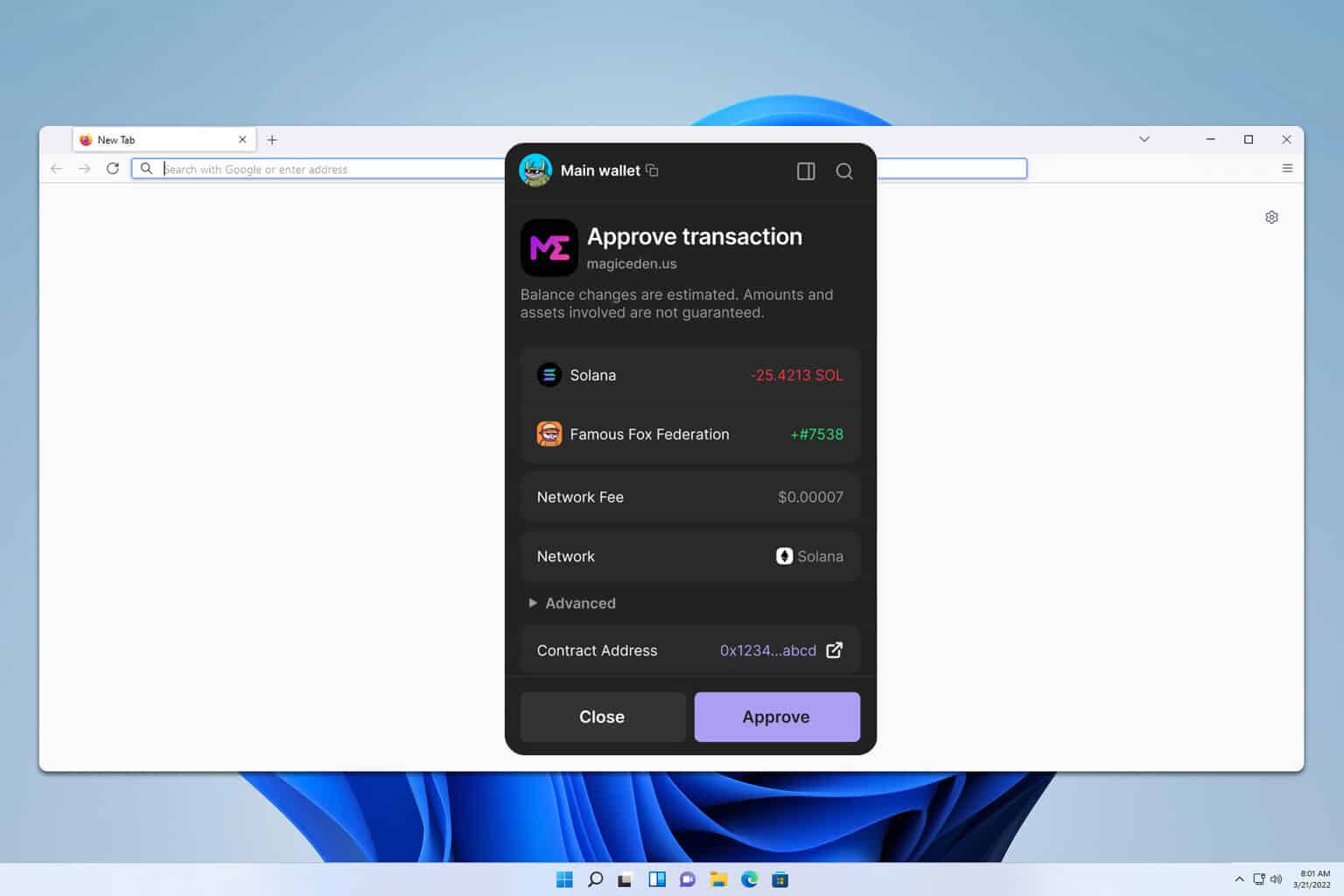
Phantom’s in-app swaps and NFT gallery help collectors and traders move fast. I used it during an NFT drop and it handled multiple signatures smoothly. On the security side there are trade-offs, though: extensions are convenient and fast, but they expand the browser attack surface, so I supplemented Phantom with hardware key support and disciplined seed management to keep risks manageable. That combination felt right for my daily DeFi and NFT routines.
Okay, so check this out—
Want the extension? Use the official page and verify the publisher. Here’s the link: https://sites.google.com/cryptowalletextensionus.com/phantomwalletdownloadextension/
Do not skip the small checks—confirm the extension’s ID, read recent reviews, watch for odd permission requests, and consider pairing with a hardware key because even trusted extensions can be phished or spoofed in tricksy ways. That advice saved me from a bad weekend once.
I’ll be honest.
I still have reservations about extensions being the sole custody method for high-value collections. For rare NFTs or large holdings, hardware wallets are the safer long-term option. On the flip side, though, using a browser extension like Phantom for daily trading and quick minting is highly practical because it keeps you nimble during time-sensitive drops and reduces friction that would otherwise cause mistakes or missed opportunities. In short, find a balance between convenience and cautious setup practices.
(oh, and by the way… somethin’ I noticed was that gas on Solana is laughably low, which makes experimenting feel less risky—though that very very low cost can also make people careless.)
Yes for everyday use, but with caveats. Use a hardware key for very valuable collections and always verify the extension before installing. Also, lock your seed phrase offline and never paste it into a webpage.
Both have pros and cons. Browser extensions are faster for minting and DeFi; mobile wallets offer portability and useful UX. On one hand extensions make fast trades easier, though actually pairing them with cold storage improves security.
Check the publisher ID, read recent user reports, and confirm the download URL (and certificate if available). If anything looks off—different icon, odd permissions, or pushy install prompts—pause and double-check from another source.